
The Need for New Water Management Authority in the North East?
People of Northeast India continue to face relentless devastation from the Brahmaputra River, with floods worsening each year. The Brahmaputra Board has failed to deliver effective solutions. It is time to move beyond outdated systems and act decisively. The proposed North East Water Management Authority must be implemented without further delay.
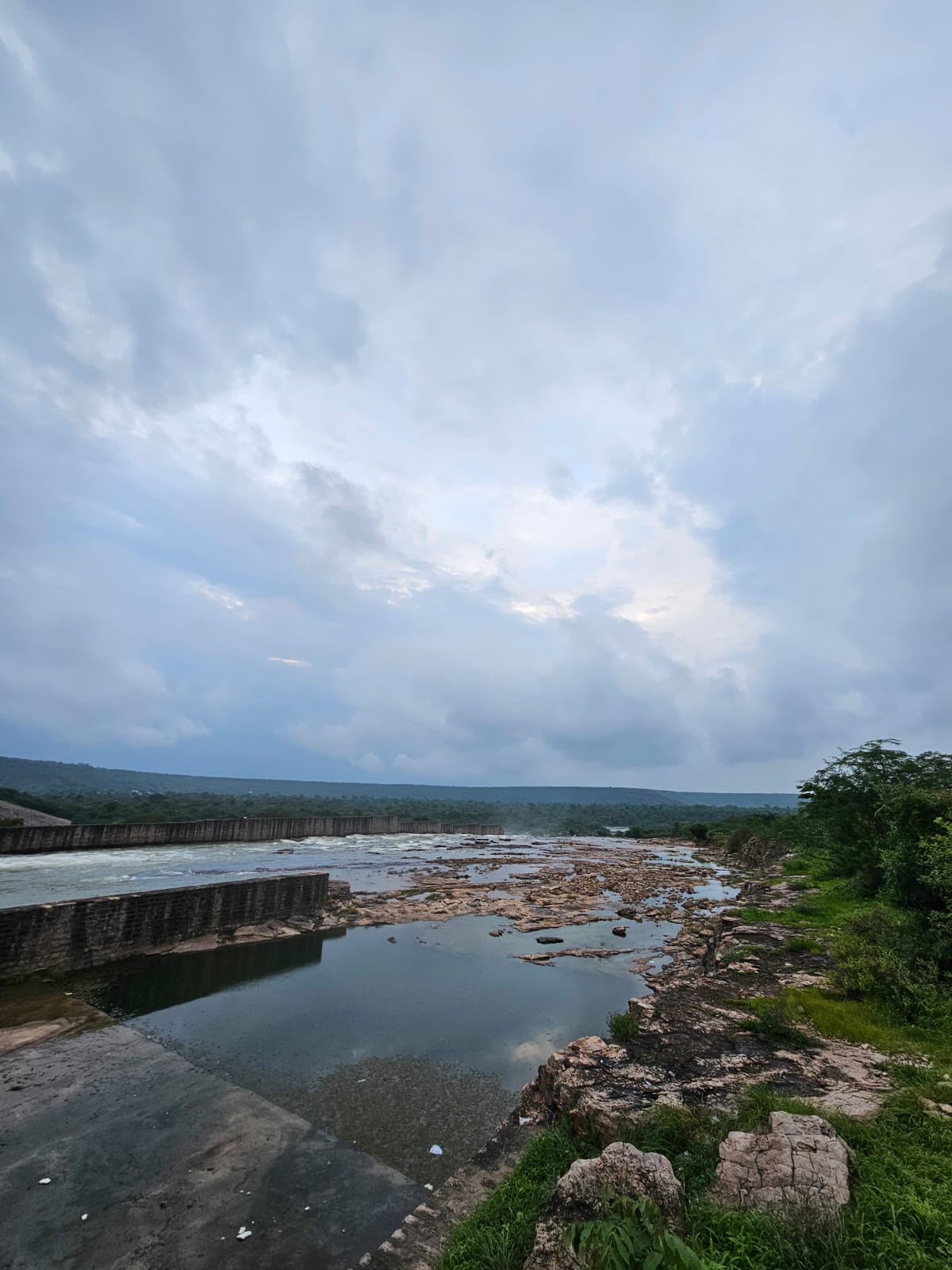
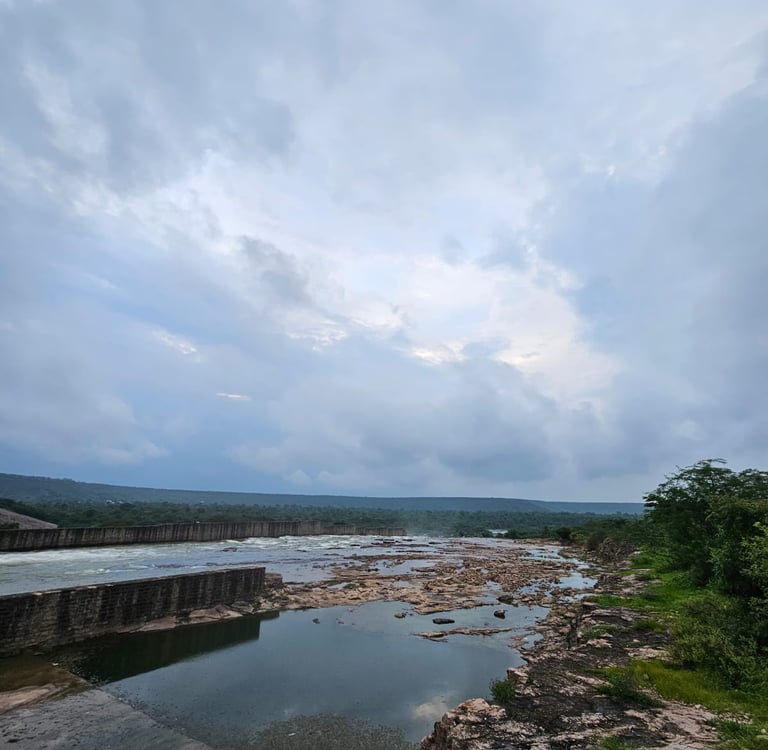
The North East of India is home to the mighty Brahmaputra and is no stranger to floods, but the scale, frequency, and damage have only worsened in recent years. The Brahmaputra is unique firstly because it has it’s rare male identity among Indian rivers, and secondly in the scale of destruction it unleashes annually. In 2024 alone, over 29 Lakh People were affected by floods in the region, and 78 lives were lost, as per the Central Water Commission bulletin.
The River is one of the largest and most dynamic rivers in the world. It originates in Tibet as the Yarlung Tsangpo before entering India through Arunachal Pradesh and flows across Assam into Bangladesh. It is known for its enormous water volume, steep gradients, and seismic sensitivity; the river carries one of the highest sediment loads globally, which results in constant course changes, bank erosion, and extensive flooding. What makes the Brahmaputra particularly volatile is its braided channel system and the intense rainfall it receives during the monsoon. Combined with a fragile topography and deforestation in the Eastern Himalayas, this creates a recipe for recurring ecological and humanitarian disasters.
Despite the growing scale of devastation, flood management in the region still relies on outdated assessments like the Rashtriya Barh Ayog (National Flood Commission) report of 1980, which estimated that nearly 50% of Assam’s 7.8 million hectares are vulnerable to major floods. The situation remains serious; on average, 2,000 villages are inundated each year. Since 1954, more than 44 lakh homes have been lost to floodwaters, as reported by Amar Asom, a widely read newspaper in Assam. Erosion has emerged as a silent crisis, with about 8,000 hectares of land disappearing annually, twice the rate seen in the previous century, displacing thousands and devouring farmland. Education, too, has suffered; a 2019 RTI also revealed that 228 schools across just three districts were washed away between 2012 and 2019, disrupting the future of an entire generation.
In response to these recurring disasters, the Government of India established the Brahmaputra Board under the Brahmaputra Board Act, 1980. Initially under the Ministry of Irrigation and now under the Ministry of Jal Shakti, the Board was envisioned as a coordinated agency to plan, manage, and mitigate the challenges posed by the Brahmaputra and its tributaries. Its jurisdiction covers not just Assam but the entire North Eastern region, including Sikkim and parts of North Bengal that fall within the Brahmaputra basin.The need for such a dedicated statutory body stems from the Brahmaputra’s unique hydro-meteorological profile. Unlike peninsular rivers, the Brahmaputra flows through a seismically active zone, has an extraordinary sediment load, and frequently shifts its course, making conventional flood control methods inadequate.
Its core functions include surveying and preparing master plans for flood control, erosion mitigation, and drainage improvement, and coordinating interstate flood control and hydrological initiatives. However, the Brahmaputra Board’s track record remains underwhelming. Out of 70 master plans identified, 46 for the Brahmaputra basin, 18 in the Barak, and 6 in other basins, only 52 have been approved till 2025, falling short of the original target of 57 plans to be completed by 2011 as reported in the CAG report. Fourteen years past the deadline, progress remains sluggish. A CAG report from 2010–11 had already flagged serious concerns, including lack of clear timelines, poor inter-agency coordination, and weak monitoring systems. Unfortunately, these warnings went unheeded, and the report’s recommendations have resulted in little to no concrete reform. Even today, there is no central mechanism in place to track or enforce the implementation of these master plans by state governments. Additionally, the Board is crippled by a severe manpower crisis. Of a sanctioned strength of 415, over 50% of posts remain vacant, including critical technical and top-level positions.
To address the chronic institutional failures in managing floods and water resources in the Northeast, the formation of the North East Water Management Authority (NEWMA) was first proposed in 2004 by then Prime Minister Dr. Manmohan Singh. It was envisioned as a robust, integrated body that would replace the Brahmaputra Board, which has long struggled with limited powers, fragmented jurisdiction, and weak coordination mechanisms. Despite the scale of the crisis, the Brahmaputra Board has been unable to enforce or implement its own master plans, largely due to the absence of central oversight and binding authority over state governments.
Recognizing these limitations, the idea of NEWMA resurfaced in 2022 when the North East Water Management Authority Bill was listed in Parliament. Although it was never introduced, the Bill sought to bring a transformative shift in how the region approaches water governance. It proposed-
• Repealing the outdated Brahmaputra Board Act, 1980;
• Establishing a single, empowered authority to manage flood control, erosion mitigation, water sharing, and infrastructure planning across the Northeast;
• Creating an integrated framework capable of cross-border coordination—especially critical as China pushes ahead with its 60,000 MW hydroelectric projects on the Yarlung Tsangpo (the Brahmaputra in Tibet);
• Strengthening India’s strategic posture on transboundary river water negotiations.
More importantly, NEWMA was designed to fill the institutional void created by the Brahmaputra Board’s inefficiency. It would not only have the authority to prepare and approve master plans but also ensure their on-ground execution through proper funding, timelines, and inter-state coordination. Unlike the current system, where implementation is left to the discretion of state governments with no central monitoring, NEWMA could establish a consistent, centralized mechanism to track progress, evaluate outcomes, and adapt plans based on real-time challenges. In 2020-21, the Parliamentary Standing Committee on Water Resources and, in 2023, Union Jal Shakti Minister Gajendra Singh Shekhawat both underscored the urgent need for such an authority. Yet, despite these high-level endorsements, the proposal remains stalled, and the Northeast continues to suffer from annual devastation without a cohesive long-term solution.
For too long, the people of Assam and its neighbors have suffered the devastating effects of floods, year after year. The Brahmaputra Board has failed to address these growing challenges. While China builds its largest dam on the Yarlung Tsangpo, India must act urgently. The North East Water Management Authority (NEWMA) is essential. If India is serious about inclusive development and its Act East policy, we must begin by safeguarding the people of the East from the floods that continue to destroy their future.
PALIPRAYAS FOUNDATION
People Advocating for Low-Carbon Impact