
WATER AT WORK: BUILDING CORPORATE STEWARDSHIP FOR A SHARED FUTURE
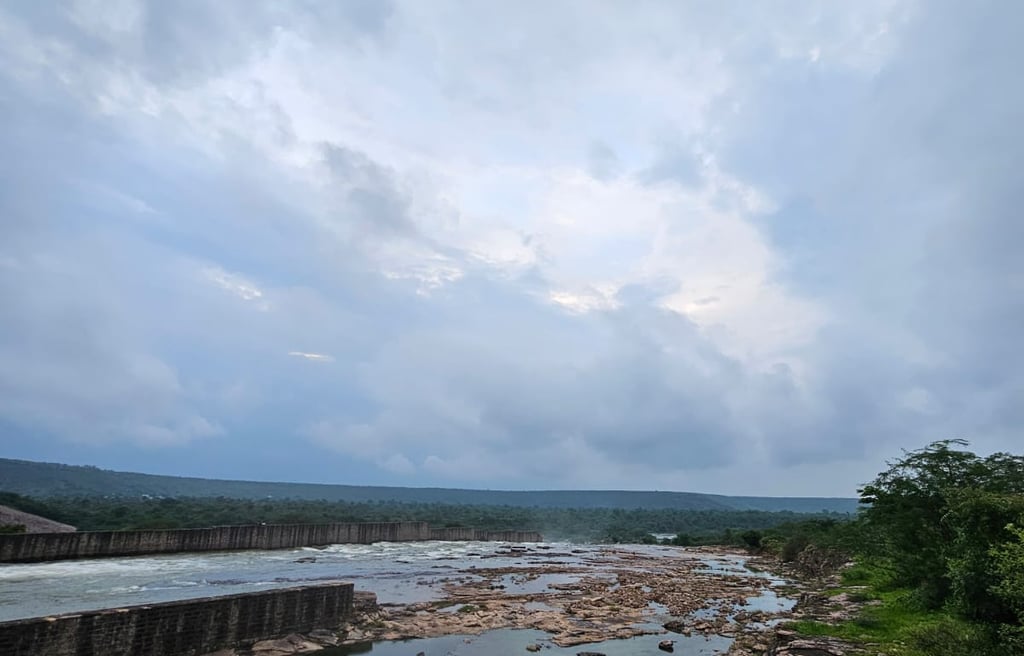
Water is no longer an unlimited industrial input but a shared, fragile resource under growing global stress. As climate change, pollution, and rising demand intensify water scarcity, businesses face increasing ecological, social, and legal risks. Corporate water stewardship offers a responsible path forward—balancing efficiency, equity, and accountability. Through real-world examples, this blog explores how industries can move from extraction to stewardship, protecting water for both communities and future generations.
“Jal hai to kal hai” the slogan must have been heard by all; water is an imminent part of our lives from mother’s womb to the last rite of offering water to the human corpse before the cremation in Hindu culture.
Water sustains life, industry, and peace. Yet across the world, this essential resource is under growing strain. The United Nations World Water Development Report (2024) warns that by the end of this decade; nearly half of the global population will live in water-stressed regions. Industrial demandranging from textile dyeing to beverage productionamplifies this pressure.
For decades, companies treated water as an abundant input. That mindset is no longer viable. Droughts, pollution, and regulatory pressures are forcing industries to reconsider how they use and protect freshwater sources. The question facing business leaders today is not simply how to use less water, but how to act as responsible custodians of it.
Water stewardship offers one path forward. It means managing water in ways that are socially equitable, environmentally sustainable, and economically sound. It is not just a technical exercise but a shared ethical responsibility, grounded in cooperation and long-term thinking.
Understanding Corporate Water Footprints
The scale of industrial water use is immense. Agriculture and manufacturing together account for more than 90 percent of global freshwater withdrawals. According to the Carbon Disclosure Project (CDP) Global Water Report (2023), nearly 70 percent of major companies report exposure to water-related risksyet fewer than half have comprehensive strategies to address them.
Water impacts occur in two major forms: usage (how much water is consumed) and wastewater (what is returned to the environment). Poorly treated wastewater can pollute rivers, harm ecosystems, and endanger public health. The UN Water estimates that 80 percent of global wastewater is discharged untreated.
This neglect carries legal consequences too. Laws such as the EU Water Framework Directive (2000/60/EC) and the U.S. C502lean Water Act now impose stricter compliance standards, while emerging frameworks emphasize corporate accountability.
The Legal and Policy Landscape
International law provides guidance, though not always enforcement. The UN Convention on the Law of the Non-Navigational Uses of International Watercourses (1997) promotes equitable use and prevention of harm among states. Similarly, Sustainable Development Goal 6 calls for universal access to clean water and sanitation by 2030.
For corporations, voluntary standards are filling the governance gap. The Alliance for Water Stewardship (AWS) Standard helps businesses assess local water risks, engage stakeholders, and monitor performance. The UN Global Compact CEO Water Mandate further promotes transparency and cross-sector cooperation.
However, enforcement remains uneven. Many low and middle-income countries struggle to monitor industrial discharges. Corporate leadership, therefore, can make a tangible difference by investing in local water systems and supporting community resilience.
Case Studies: Corporate Lessons in Action
1. Coca-Cola: From Criticism to Collaboration
In the early 2000s, Coca-Cola faced protests in India for allegedly depleting groundwater near its bottling plants. Activists accused the company of draining aquifers and releasing contaminated wastewater. The backlash was a turning point. Coca-Cola launched a comprehensive Water Replenishment Program, committing to restore all water used in its beverages.
By 2020, independent assessments verified that the company had replenished over 160 percent of its operational water use through watershed projects and rainwater harvesting. While critics argue that replenishment must be locally verified, the initiative showed that businesses could rebuild trust through transparency and collaboration.
2. Levi Strauss & Co.: The Denim Revolution
Denim production has long been associated with high water consumption. Levi Strauss responded with its Water<Less Program, redesigning manufacturing methods to cut water use by up to 96 percent in some product lines. Since 2011, the company has saved over 4 billion liters of water.
More importantly, Levi’s shared its methods with other manufacturersan uncommon step in the competitive fashion industry. This openness turned a sustainability effort into a model of collective stewardship, proving that collaboration can amplify change.
3. Intel: Engineering Circular Water Systems
In Oregon, Intel operates one of the world’s largest semiconductor plants, a process known for high water use. To address this, the company built an advanced Water Reuse and Restoration Facility that recycles millions of gallons daily. In 2023, Intel returned over 3 billion gallons of clean water to local communities.
This shows how innovation and partnership with local authorities can create a closed-loop system benefiting both industry and residents. Technology, when guided by social purpose, can serve as a powerful ally in environmental stewardship.
Reducing Usage: From Efficiency to Equity
Efficiency is often the first step in corporate water reform, but it must evolve into a broader ethic of equity. Switching to low-flow machinery or smart sensors can reduce consumption, but these efforts must align with community needs.
In water-scarce regions, industries must recognize that their use directly affects local livelihoods. The OECD Principles on Water Governance (2015) emphasize stakeholder participation as essential. Engaging communities and sharing decision-making power ensures that industrial gains do not come at social cost.
Water stewardship thus becomes not only a matter of technology but of justicealigning corporate interests with the UN-recognized human right to water and sanitation (Resolution 64/292, 2010).
Managing Wastewater: Turning a Liability into a Resource
The treatment and reuse of wastewater offer some of the most promising opportunities for sustainability. Properly managed, wastewater can serve as an alternative water source for agriculture, landscaping, and industrial cooling.
Singapore’s NEWater program exemplifies this approach. Through advanced filtration and ultraviolet purification, the country meets nearly 40 percent of its water demand with recycled water. Inspired by such models, companies like PepsiCo and Dow Chemical have developed on-site treatment systems that reduce discharges and recover by-products.
For smaller enterprises, modular wastewater plants provide affordable alternatives. Partnerships with local governments and international donors can help bridge financing gaps. The lesson is clear: wastewater should be viewed not as waste, but as a vital resource in a circular water economy.
Challenges and Limitations
Despite progress, water stewardship faces real challenges. Voluntary commitments often lack consistent measurement or third-party verification. “Water neutrality” claims may overstate benefits if replenishment projects occur outside affected watersheds.
Moreover, reforms often favor large corporations that can afford innovation, leaving smaller firms behind. Global equity therefore requires supportive public policy and green financing. The UNEP Water Policy Brief (2022) notes that private sector engagement must complementnot replacestate obligations.
The success of corporate action depends on public accountability, legal enforcement, and civic participation. Governments must continue to set clear baselines and ensure that water stewardship contributes to real ecological outcomes.
A Shared Future: Beyond Compliance
True stewardship is not measured in Liters saved but in relationships restored. Companies that engage openly with local communities, share data, and invest in shared infrastructure can foster trust and stability.
Frameworks like the Global Reporting Initiative (GRI) and the Task Force on Climate-related Financial Disclosures (TCFD) encourage transparent water risk reporting. Such openness builds resilience and investor confidence.
As the climate crisis deepens, water will increasingly test corporate character. Businesses that view water as a shared resourcenot a private assetcan be best positioned to thrive in a changing world.
Conclusion: From Awareness to Action
Water connects us all. It flows through supply chains, communities, and ecosystems alike. Corporate water stewardship is not a trend but a necessitya bridge between profit and planet.
The examples of Coca-Cola, Levi Strauss, and Intel show that change is possible when innovation meets integrity. Yet progress demands collective effort: companies, governments, and citizens must work together to safeguard our most vital resource.
As former UN Secretary-General Ban Ki-moon reminded the world, “Water is life. Without it, there can be no peace or prosperity.” The time for corporate stewardship is nownot as charity, but as enlightened self-interest for a shared future.
PALIPRAYAS FOUNDATION
People Advocating for Low-Carbon Impact